
Whole Post

Home  |  Whole Post (Page 7)

Have you ever dreamed of visiting another planet? The idea might seem far-fetched, but what if I told you there are places right here on Earth that look like they belong on Mars or even in a galaxy far, far away.

These breathtaking landscapes challenge our perceptions of reality, making us wonder about the vastness and mystery of our own world.

One place that captures this otherworldly beauty is Vail’s most surreal and bizarre natural wonders. From towering sand dunes that echo the Sahara to ancient cliff dwellings nestled in rugged canyons, these spots will transport you to a different universe.

Imagine stepping onto terrain so unique it seems alien—this is what awaits in Vail.

This article offers a tour through these astonishing locations, promising discoveries that will inspire awe and ignite your wanderlust. Ready for an adventure?.

Unveiling Vail’s Alien Landscapes

Unveiling Vail’s Alien Landscapes: Explore the surreal wonders of Badwater Basin, Great Sand Dunes, Whiteface Mountain, Mesa Verde, and Fly Geyser. Witness otherworldly landscapes that include salt pans, ancient pueblo civilizations, active volcanoes, and emerald green grottos.

Badwater BasinBadwater Basin sits at the heart of Death Valley, California, famously holding the title as the lowest point in North America. This alien landscape is home to vast salt pans that stretch as far as the eye can see.

Billions of salt crystals come together to form a breathtaking polygonal pattern on the ground, creating a scene that looks more like something from another planet than Earth.

The rugged Black Mountains frame this extraordinary view, adding contrast and depth to an already striking panorama. Visitors feel dwarfed by their immense presence, experiencing a unique connection with nature’s unparalleled beauty.

Trekking across this surreal environment gives one the feeling of walking on a different world altogether—a truly unforgettable experience for anyone looking for adventure beyond the usual tourist paths.

Great Sand Dunes

Leaving the stark beauty of Badwater Basin behind, we venture into the rugged heart of Colorado. Here, the Great Sand Dunes stretch over 30 square miles in the southern San Luis Valley, presenting a breathtaking contrast to the basin’s salt flats.

These dunes aren’t just any sand piles; they claim the title of North America’s tallest, with some reaching up to 750 feet high. Imagine standing at their base, looking up at these towering giants formed by nature’s own design.

The journey through these Sahara-like sand dunes offers more than just a visual feast. It invites adventurers and families alike to explore its vastness either on foot or by sledding down its slopes—an experience akin to visiting another world without leaving Earth.

Nestled against the Sangre de Cristos mountains, this natural wonder not only captivates with its size but also enchants visitors with its ever-changing landscape, shaped by winds that craft an eternal masterpiece under Colorado skies.

Whiteface MountainWhiteface Mountain in New York is not just a mountain. It’s an adventure that calls to those seeking thrills and breathtaking views. The Stairway Ridge Trail, known for its challenging climb, promises rewards like no other at the summit.

Imagine reaching the top and finding a granite castle waiting for you. From there, you get to see lakes and the vast expanse of the Adirondacks unfolding before your eyes.

On clear days, this spot offers something magical – visibility that stretches all the way to Vermont and Canada. Think about standing there, surrounded by surreal landscapes that make you question if you’re still on earth or have stepped into another world.

With scenes so picturesque, it’s no wonder Whiteface Mountain is a favorite among outdoor enthusiasts and nature lovers alike. Now, let’s journey from these dizzying heights to ancient dwellings carved from rock at Mesa Verde.

Mesa Verde

From the snow-capped peaks of Whiteface Mountain, we journey to the sun-soaked landscape of Mesa Verde, Colorado. This place is a treasure trove for those fascinated by ancient civilizations.

Built by the Ancestral Pueblo people over 1,400 years ago, it houses thousands of archaeological sites. Among these are 600 cliff dwellings and remarkable sandstone kivas dating back to AD 600.

Mesa Verde isn’t just about old stones and relics; it’s a living storybook etched into the desert landscape. The Cliff Palace stands as its largest monument and invites visitors on tours that breathe life into history.

Hikers can explore Petroglyph Point Trail to find ancient drawings whispering tales from the past. Designated as a World Heritage Site, Mesa Verde beckons tourists with an interest in archaeology and age-old mysteries waiting to unraveled beneath its skies.

Fly Geyser

Moving on from the historical marvels of Mesa Verde, let’s explore the futuristic landscape of Fly Geyser in Nevada’s Black Rock Desert. Situated on private property, this rainbow-colored geyser captivates with its alien-esque appearance.

It shoots water five feet into the air, drawing attention from passersby along State Route 34.

The man-made geyser was accidentally created during well-drilling activities and has become an enchanting natural wonder. Its vibrant hues and unique form make it a must-see for tourists seeking out-of-this-world experiences.

Conclusion

Marvel at Vail’s surreal wonders – from the alien-like Fly Geyser to the majestic Great Sand Dunes. Explore otherworldly landscapes that challenge our perceptions of reality. Embrace the practicality and efficiency of experiencing these natural marvels firsthand.

Consider how such encounters can impact your perspective and inspire further exploration. Embark on a journey where Earth’s most bizarre landscapes await, promising an unforgettable adventure.

FAQs

1. What makes the Bisti/De-Na-Zin Wilderness one of Vail’s most surreal wonders?

The Bisti/De-Na-Zin Wilderness, nestled in New Mexico within Navajo territory, is a landscape straight out of a dream. With its dinosaur fossils hidden among the rocks and a terrain that looks like it’s from another planet, this place really stands out. The wilderness area is vast and filled with bizarre rock formations that make you feel like you’ve stepped into another world.

2. Can I find volcanic landscapes near Vail?

Yes, indeed! While not exactly in Vail itself, Mount Erebus offers an astonishing view of molten rock beneath the Earth’s surface. This active volcano showcases nature’s fiery power and adds to the list of surreal landscapes suggesting life beyond our understanding – making it a must-see for anyone fascinated by natural wonders.

3. Are there any places in or near Vail that feature water as part of their alien landscape?

Absolutely! Hamilton Pool Preserve in Texas is one such gem not too far away from Vail’s own adventurous spirit., Its sparkling pool lies beneath a massive limestone overhang, creating an oasis that seems more fantasy than reality. Also,, Badwater Basin in California showcases salt flats that stretch to the horizon,, looking more like icy plains than desert land.

4. What kind of experience can I expect at Great Sand Dunes National Park and Preserve?

Expect to be blown away – literally and figuratively – by Colorado’s Great Sand Dunes., These towering dunes are framed by stunning mountain backdrops,. They offer visitors the unique opportunity to surf or sled down sand instead of snow., The park presents an otherworldly vista,, beautifully illustrating how diverse our planet truly is.

5. Where can I see bizarre rock formations outside of traditional desert environments?

Whiteface Mountain in New York might surprise you with its offerings,. Beyond skiing and winter sports,, this location reveals rugged landscapes shaped over millennia.. Fly Geyser in Nevada also provides a peek into otherworldly terrains,, with colorful spouts created by man but sculpted by nature over time—definitely worth exploring for those captivated by Earth’s natural artistry.

tions outside of traditional desert environments?

Whiteface Mountain in New York might surprise you with its offerings,. Beyond skiing and winter sports,, this location reveals rugged landscapes shaped over millennia.. Fly Geyser in Nevada also provides a peek into otherworldly terrains,, with colorful spouts created by man but sculpted by nature over time—definitely worth exploring for those captivated by Earth’s natural artistry.

Planning a family trip to Aspen can be an exciting adventure. The beautiful landscapes, outdoor activities, and the allure of Aspen Mountain make it a prime destination for families looking to enjoy quality time together.

However, there’s one common issue that visitors often overlook: altitude sickness. This sneaky condition can affect anyone—whether it’s your first trip or you’re a seasoned mountain enthusiast.

Did you know? Aspen sits about 8,000 feet above sea level, with its peaks reaching even higher. That elevation means less oxygen is available for your body to breathe in, which can lead to altitude sickness.

In this blog post, we’ll guide you through steps to keep everyone in the family safe and healthy while enjoying all that Aspen has to offer. From acclimatizing properly to understanding the importance of hydration and diet—we’ve got you covered.

Ready? Let’s dive in!

Understanding Altitude Sickness

Altitude sickness hits when your body hasn’t had enough time to adjust to the lower air pressure and oxygen levels found at high elevations. Aspen, Colorado sits proudly at about 8,000 feet above sea level—well within the range where these symptoms can strike.

Think of it like this: you’re asking your body to do its normal day-to-day activities but with less oxygen. It’s no wonder that without proper adjustment, visitors might find themselves dealing with headaches, dizziness, and shortness of breath among other uncomfortable symptoms.

The key is understanding that altitude sickness doesn’t have to ruin your trip. With knowledge and preparation—like acclimatizing in Denver or Boulder—you can significantly reduce your chances of feeling unwell upon reaching those higher altitudes in Aspen.

The goal is enjoying every moment up there rather than battling against acute mountain sickness or dehydration caused by not adjusting correctly. Now, how does one prepare for such a visit? Let’s dive into making sure your family’s high-altitude adventure is memorable for all the right reasons.

Preparing for a High Altitude Family Trip to Aspen

Preparing for a high altitude family trip to Aspen involves acclimatizing in Denver or Boulder and taking it easy during the initial days. It also includes obtaining a prescription or using Ginkgo, which is vital for adjusting to the altitude.

Acclimatizing in Denver or Boulder

Spending a day in Denver or Boulder is a smart move before hitting Aspen. This simple step can cut down your chances of getting hit by altitude sickness significantly, by 25 to 50 percent, actually.

Both cities offer a gentler introduction to high altitude, giving your body the time it needs to adjust. Think of it as a warm-up exercise for your lungs and metabolism, preparing you without the shock.

Staying two nights? Even better — your odds at beating the typical symptoms (think: headaches, nausea) get slimmer with each passing night. It’s like giving yourself an internal pep talk before the main event in Aspen.

Plus, both Denver and Boulder are packed with their own unique sights and attractions – making acclimatization not just necessary but enjoyable too! Explore local parks, museums, and restaurants; every breath you take brings you one step closer to being fully prepped for Aspen’s heights without sacrificing fun during your trip.

Obtaining a prescription or using Ginkgo

Getting ready for a trip to the high altitudes of Aspen can be exciting. Before you go, consider getting a prescription for Diamox. This medication is known to prevent or reduce symptoms of altitude sickness.

It works by helping your body adjust faster to the changes in air pressure and oxygen levels at higher elevations.

Alternatively, Ginkgo Biloba is another option that travelers often use. Studies show it may help with altitude sickness as well. You don’t need a prescription for Ginkgo Biloba, and it’s available over the counter in many health food stores.

Whether you choose Diamox or Ginkgo Biloba, starting either a few days before your Aspen adventure can make your adjustment smoother.

After taking these steps, remember to ease into physical activities upon arrival in Aspen.

Taking it easy during initial days

Arriving in Aspen, it’s crucial to take things slow. Your body needs time to adjust to the high elevation here. Try not to plan any strenuous activities right away. Instead, explore the town or relax at your hotel.

This approach gives you a better chance of enjoying your trip without suffering from altitude sickness.

Drink plenty of water and rest when you feel tired. These simple steps can make a big difference in how well you adapt. Remember, taking it easy doesn’t mean missing out—it means ensuring you have the energy for all those exciting adventures ahead in Aspen without being short of breath or dealing with headaches that could spoil your fun.

Importance of Hydration at High Altitude

Hydration is crucial at high altitudes, especially in Aspen. Drink plenty of water and electrolytes to avoid altitude sickness. Staying hydrated helps your body adjust better to the lower oxygen levels up in the mountains.

It’s essential for preventing symptoms like headaches, dizziness, and fatigue as you enjoy your family trip. Remember, drinking lots of fluids can make a real difference at higher elevations.

Remember that staying hydrated is important when traveling to high-altitude destinations like Aspen. Sipping on water throughout the day ensures that you maintain optimal hydration levels while exploring the beautiful mountainous region.

Keep yourself well-hydrated to fully savor the unique experience of visiting such breathtaking heights!

The Role of Diet in Preventing Altitude Sickness

Eating a diet rich in carbohydrates can help prevent altitude sickness. Initially avoiding alcohol also aids in acclimatization at high altitudes.

Consuming carbohydrates

Fuel your body with carbohydrates to combat altitude sickness. Carbs, like oats, whole grains, and fruits, help your body adjust to the elevation. These foods provide a steady release of energy and aid in regulating blood sugar levels.

Keeping your energy up assists in mitigating the effects of high elevation. Embrace carbohydrate-rich meals while exploring Aspen to stay energized throughout your family trip.

Remember to fuel up on carbohydrates for sustained energy at high altitudes and minimize the risk of altitude sickness during adventurous family outings in Aspen.

Avoiding alcohol initially

To prevent altitude sickness when traveling to Aspen for a family trip, it’s vital to avoid alcohol initially. Alcohol can worsen symptoms of altitude sickness, so skipping alcoholic drinks upon arrival is recommended.

By avoiding alcohol initially, you can significantly reduce the chances of experiencing discomfort due to high elevation and enjoy your time in Aspen with your family without any hindrances.

When visiting high-altitude destinations like Aspen, making the conscious choice to abstain from alcohol initially is essential for a smoother adjustment to thin mountain air. It’s important to keep this in mind as part of your preparation for a safe and enjoyable family trip.

Utilizing Extra Oxygen

Utilize OxygenNow to combat altitude sickness symptoms effectively. This portable oxygen can help alleviate headaches and shortness of breath, providing relief at high elevations in Aspen.

Ensure you have this essential tool for your family trip to maintain everyone’s well-being.

Consider obtaining a prescription for Diamox or using Ginkgo Biloba before the trip to aid with acclimatization. Additionally, take advantage of extra oxygen to prevent altitude sickness symptoms on your family adventure in Aspen.

Tips for Activities in Aspen to Minimize Altitude Sickness

Explore the charming town of Aspen. Engage in light activities like strolling and enjoying the local culture.

Spending a day in town

Explore Aspen’s charming downtown area at a leisurely pace, taking in the unique boutiques and art galleries. Grab a bite to eat at one of the cozy cafes or sample local cuisine at the many restaurants.

Stay hydrated by sipping water as you stroll through town, and pop into oxygen bars if you feel any symptoms of altitude sickness. Remember to avoid alcohol initially and take it easy to allow your body to adjust.

Embrace Aspen’s vibrant culture by visiting historical landmarks like Wheeler Opera House and exploring its rich mining history—offering an authentic taste of Colorado’s past.

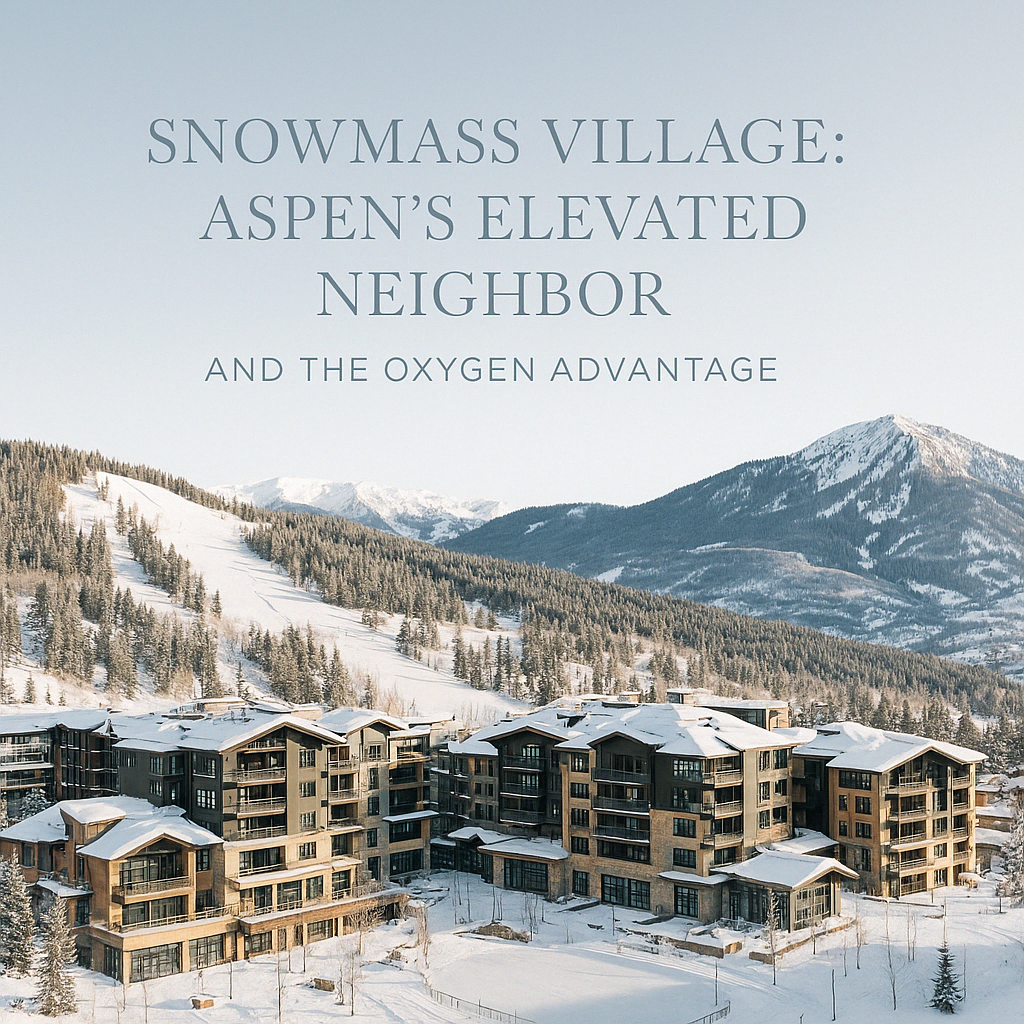
Gradual exploration of Snowmass Village

After spending a day in town, the gradual exploration of Snowmass Village can be a wonderful way to acclimate to the high altitude. Take advantage of the free Skittles Gondola for a smooth ride up the mountain and enjoy breathtaking views along the way.

Once at the village, leisurely stroll through local amenities such as grocery stores, mini markets, and liquor stores to get accustomed to your surroundings while taking in the beauty of this charming alpine resort.

With these simple steps, you can ease into your Aspen adventure with minimal impact from altitude sickness.

Don’t miss out on discovering available local delivery options for groceries and alcohol—this convenient service ensures you have everything you need without exerting yourself during these initial days at high elevation.

Conclusion

In conclusion, taking precautions when traveling to Aspen for a family trip is crucial. Implementing strategies to prevent altitude sickness can make the trip more enjoyable and ensure everyone stays safe.

It’s important to acclimate in Denver or Boulder first, stay hydrated, and take it easy during the initial days in high altitude areas. These simple steps will help your family have a memorable and comfortable experience in Aspen.

Remember, a little preparation goes a long way in ensuring an amazing and worry-free vacation!

FAQs

1. What is high altitude sickness, and how can it affect my family trip to Aspen?

High altitude sickness happens when you can’t get enough oxygen from the air at high elevations. This condition can make you feel like you have a hangover or worse, and it might include headaches, lack of sleep, and trouble breathing. It’s something to watch for on your family adventure to places like Aspen—where the mountains reach the sky.

2. How can we prevent altitude sickness while enjoying our vacation in Aspen?

Prevention is key! Start by taking things slow; let your body adjust to the elevation changes gradually. Drinking plenty of water helps too, keeping dehydration at bay—a common trigger for altitude sickness symptoms. Over-the-counter options like Advil or Tylenol could ease headaches or minor pains associated with adjusting to higher altitudes.

3. Are there specific accommodations that help mitigate the effects of high-altitude in Aspen?

Absolutely! When booking your stay, look for hotels known for their comfort at elevation–Hotel Jerome is a fantastic option right in Aspen itself. Some places offer rooms with extra oxygen supply or humidifiers which can majorly combat the dryness and improve breathing—making your night’s rest more comfortable after a day exploring Pikes Peak or Longs Peak.

4. Can children be affected by high altitude sickness differently than adults?

Indeed, they can—and sometimes they might not express exactly what feels wrong. Keep an eye out for signs like fatigue more so than usual, complaints about headaches, or if they seem dizzy… These could all be cues that the high altitude affects them significantly.

5. What should I do if someone in my group gets severe symptoms of high-altitude pulmonary edema (HAPE) during our trip?

If anyone shows signs of HAPE—it’s serious business: extreme breathlessness even when resting or sounds when breathing that aren’t normal), treat this as a medical emergency immediately.. This condition requires quick action; descend to a lower elevation as safely as possible and seek medical attention urgently . It’s rare but better safe than sorry—the beauty of basecamp awaits after everyone’s health checks out!

Feeling the pull of nature but not sure where to start? Betty Ford Alpine Gardens in Vail, Colorado, is a spectacle of nature that’s accessible all year round. This blog will guide you through its breathtaking beauty and offer tips on making the most of your visit.

Get ready for an adventure!

Key Takeaways

  • Betty Ford Alpine Gardens in Vail, Colorado, is the highest botanical garden at 8,200 feet. It aims to protect rare alpine plants and their environment.
  • The gardens offer year – round programs like guided tours, sustainable workshops, and educational events for all ages. These activities help visitors learn about conservation and the importance of protecting fragile ecosystems.
  • Admission to the gardens is free. Visitors enjoy a range of experiences such as snowshoe trails in winter and vibrant flower displays in summer.
  • The gardens were named after former First Lady Betty Ford due to her love for Vail and nature. They serve as a key center for environmental education in Eagle County.
  • You can support the gardens through donations or by becoming a member. This helps ensure that future generations can also experience and learn from this beautiful alpine environment.

Overview of Betty Ford Alpine Gardens

A hiker enjoying vibrant alpine flowers against mountain backdrop.

Nestled high at 8,200 feet, Betty Ford Alpine Gardens is a haven for alpine beauty. It stands as a protector of the fragile alpine environment, showcasing nature’s resilience and splendor.

Protecting the alpine environment

The Betty Ford Alpine Gardens are champions of the alpine environment. They take their mission to heart, focusing on education, conservation, and showcasing living plant collections.

This dedication means visitors not only enjoy the beauty of these outdoor gardens but also learn how vital it is to protect these fragile ecosystems.

Working closely with other organizations, the gardens play a crucial role in studying and conserving Colorado’s rare flora. Their efforts help ensure that future generations can appreciate the unique plants and landscapes that make this area so special.

Through sustainable landscaping practices and a strong commitment to research & conservation, they’re making strides in safeguarding the alpine wonders against threats like climate change and habitat loss.

A World of Alpines At 8200′

Protecting the alpine environment is crucial, and at 8200 feet, Betty Ford Alpine Gardens becomes a living testament to this mission. This unique garden hosts a diverse collection of alpine flora from around the globe.

You’ll find plants that have adapted to extreme conditions, thriving where few others can.

Visitors marvel at rare and beautiful species, some of which are part of vital conservation effortsEducation programs bring these wonders to life for people of all ages. Every turn reveals something new—be it an exotic plant from the arctic tundra or a local flower that’s making its last stand in a warming climate.

Here, every plant tells a story of survival and resilience high above sea level in Vail, Colorado.

The Mission and Vision of the Gardens

Visitors exploring diverse alpine gardens with bustling atmosphere.

The mission of the gardens is to inspire people to cherish and protect our alpine environments. They envision a world where these precious ecosystems endure forever, thriving through education and conservation efforts.

Our Mission

We aim to safeguard the alpine environment through effective education, conservation, and the development of living plant collections. Every step we take centers on this crucial goal.

From our education center & alpine house to every program & event we offer, protection of these delicate ecosystems guides our efforts.

Diversity, equity, and inclusion stand at the core of what we do. We believe that by building a community where everyone’s contribution is valued, we can foster a stronger bond with nature.

This commitment extends beyond human connections to include diverse plant life. Through partnerships for plant conservation and initiatives like the Nick Courtens Fund, we are actively working to study and conserve Colorado’s rare flora.

Our Vision

Building on our mission to nurture a connection with the natural world, our vision extends even further. We envision gardens that not only serve as a sanctuary for alpine flora but also as an educational hub.

Here, visitors of all ages learn about the importance of protecting the environment and promoting sustainable landscaping practices.

Our aim is to inspire action. We want each person who walks through our gardens to feel empowered to make positive changes in their own communities. By hosting family activities, enriching programs & events, and offering unique winter programming like snowshoe trails, we’re setting the stage for a more informed and engaged public.

Through membership opportunities and ways to give back—like donations or volunteering—we’re building a botanic network dedicated to meaningful conservation efforts and ensuring these precious ecosystems thrive for generations to come.

Programs and Events at the Gardens

The Betty Ford Alpine Gardens buzz with life, hosting a variety of programs and events year-round. From hands-on workshops to engaging lectures, there’s always something new to learn or experience here.

Signature Programs

Betty Ford Alpine Gardens in Vail, Colorado, is not just a place of natural beauty. It’s a facility bustling with activities that breathe life into the alpine world. Each program is designed to enhance our understanding and appreciation of alpine ecosystems.

  1. Science Elevated Series – Experts from around the globe gather here to share their knowledge on climate change, plant biology, and environmental conservation. This series aims to shed light on the critical issues affecting alpine regions through engaging talks and interactive sessions. Participants leave with a deeper understanding of how they can contribute to preserving these fragile environments.
  2. Sustainable Landscaping Workshops – These workshops teach homeowners and gardening enthusiasts how to create beautiful landscapes that are both sustainable and beneficial for the local ecosystem. Topics range from native plant selection to organic pest control methods, ensuring everyone has the tools they need to make eco-friendly choices in their gardens.
  3. Garden Tours – Led by knowledgeable guides, these tours provide an insider’s look at the living collections within Betty Ford Alpine Gardens. Visitors learn about rare alpine species, the importance of permafrost protection, and the ongoing efforts to safeguard vulnerable plants from extinction.
  4. Yoga in the Gardens – Imagine performing sun salutations surrounded by stunning alpine flora under Colorado’s clear blue skies! This unique program combines physical wellness with environmental immersion, offering a tranquil retreat for body and soul amidst nature’s splendor.
  5. Family Activities – Designed for visitors of all ages, these activities aim to spark curiosity about the natural world through fun and educational experiences. From scavenger hunts searching for Alice Eastwood’s botanical treasures to workshops on gray wolf reintroduction in Colorado, there’s something for every member of the family to enjoy.
  6. Winter Programming – The fun doesn’t stop when snow blankets Vail Mountain! Snowshoe trails invite adventurers to explore a winter wonderland while educational exhibits keep minds active with intriguing botanical illustrations and stories about local wildlife like beavers and wolves adapting to winter conditions.

Sustainable Workshop Series

The Sustainable Workshop Series at Betty Ford Alpine Gardens introduces visitors to the art of sustainable living. These workshops offer insights and practical skills to help protect our alpine environment.

  • Composting Basics:
  • Native Plant Gardening:
  • Water-wise Workshops:
  • Eco-friendly Pest Management:
  • Recycling Right:

Previous Programs & Events

Betty Ford Alpine Gardens has been a hub for nature enthusiasts. They’ve hosted a variety of events aimed at exploring the alpine beauty in Vail, Colorado. Here’s a rundown of previous programs and events:

  • Educational Workshops: These sessions covered topics from plant search techniques to understanding the retreat of glaciers. Participants got hands-on experience and insights into alpine flora and fauna conservation efforts.
  • Guided Tours: Led by knowledgeable staff, these tours provided an in-depth look at the unique ecosystem of the gardens. Visitors learned about the plants’ adaptations to high elevations and spotted local wildlife, possibly even including sightings of gray wolves in Colorado.
  • Special Exhibits: With themes varying from art to science, these exhibits showcased everything alpine. One notable exhibit was inspired by the Donald M. Kendall Sculpture Gardens, blending art with nature.
  • Collaboration Events: Betty Ford Alpine Gardens partnered with local organizations such as the Vail Mountain Resort and the Colorado Snowsports Museum for special events. These collaborations brought unique attractions like historical ski displays within the natural beauty of the gardens.
  • Vail Farmers’ Market and Art Show Visits: The gardens organized outings to this local market, blending community culture with botanical education. It offered a perfect way to appreciate Vail’s local produce and craftsmanship surrounded by stunning alpine scenery.
  • Sustainable Workshop Series: Focused on practical steps for garden sustainability, these workshops taught participants how to make their gardens more eco-friendly. Topics ranged from composting to water-wise gardening practices.

The History of the Gardens & Betty Ford

A photo of The Betty Ford Alpine Gardens with colorful alpine plants.

The Betty Ford Alpine Gardens, named after the former First Lady, is not just a beautiful place. It has deep roots in both history and conservation. The idea sprouted in 1985, aiming to protect the fragile alpine environment.

With its heart set on education and preservation, this garden became a sanctuary for mountain plants from across the globe.

Mrs. Ford herself played a pivotal role in its creation. Her love for Vail and passion for nature helped shape the gardens’ mission. As it blossomed over the years, attracting more than 200,000 visitors annually, the gardens also became an essential center for environmental education in Eagle County.

Classes and workshops encourage people of all ages to engage with nature’s wonders–a testament to Mrs. Ford’s lasting legacy.

Next up: Let’s take a closer look at what makes exploring these gardens such an enriching experience.

Exploring the Gardens

Discover the wonders of Betty Ford Alpine Gardens by wandering through its paths, and let it spark your curiosity to see more—each step is a new adventure.

Top ways to experience Betty Ford Alpine Gardens and nearby attractions

Betty Ford Alpine Gardens isn’t just a spot to admire flowers. It’s a hub for adventures and learning in Vail, Colorado. Let’s dive into the best ways to experience this alpine beauty and what else you can do nearby.

  1. Take a Guided Tour: Learn from experts about the delicate alpine ecosystems and the rare plants that call this place home. These tours provide insights you won’t find anywhere else, making your visit both educational and fascinating.
  2. Join a Workshop: The Sustainable Workshop Series at Betty Ford Alpine Gardens offers hands-on experiences. You can learn about conservation techniques or how to garden in harmony with nature. It’s perfect for those wanting to green their thumbs.
  3. Explore on Your Own: Wander through the gardens at your pace. With every corner turned, there’s something new—flowers that dazzle, plants that intrigue, and views that amaze.
  4. Visit the Gift Shop: Here, you’ll find unique souvenirs to remind you of your visit—a range of items from books about plants to eco-friendly products that support the gardens’ mission.
  5. Attend a Signature Program: Throughout the year, the gardens host special events that showcase its beauty and importance. From family activities to exhibits about the gray wolf in Colorado, these programs enhance your connection with nature.
  6. Explore Nearby Attractions: After soaking up the tranquility of the gardens, head over to Vail Mountain Resort for outdoor adventures like hiking or skiing depending on the season.
  7. Check Out Local Museums: The Colorado Snowsports Museum and Hall of Fame is just around the corner, offering lessons on ski history and snowboarding legends—a must-visit for sports enthusiasts.
  8. Enjoy Beaver Creek: A short drive will take you to Beaver Creek Village—shop, dine or simply enjoy the scenic views this charming area has to offer.
  9. Visit Eagle County Airport Exhibit: If you’re flying in or out through Eagle County Airport, stop by Earthplace—the exhibit space where local flora and fauna are on display.
  10. ,Stroll Through Vail Farmers’ Market & Art Show: Experience local culture firsthand at this vibrant market where fresh produce meets art under Colorado’s blue skies—a delightful way to spend your Sunday morning.

Reviews and Feedback

Visitors rave about their experiences at Betty Ford Alpine Gardens, often sharing glowing testimonials on Trip Advisor. They highlight the beauty and tranquility of the gardens, along with the enriching programs offered, making it a must-visit for anyone in Vail.

Excellent Reviews

The Betty Ford Alpine Gardens have wowed guests, earning an impressive average rating of 4.5 out of 5 bubbles on Trip Advisor. People rave about the gardens’ beauty, wealth of information, and no cost for admission.

They describe their visits as stunning experiences and highly recommend stopping by, especially in summer when the vibrant mountain flora is in full bloom.

Many reviews highlight this serene spot as a must-see for nature lovers and those eager to see mountain plants up close. The packed snow trails, hand-painted alpine displays, and even a wild turkey mascot add unique touches that captivate visitors.

Next up: let’s dive into what people say are very good aspects of their visit.

Very Good Reviews

Many visitors feel the Betty Ford Alpine Gardens hit just the right note, rating them as “very good.” They mention how the gardens are small but incredibly pleasant. People love that admission is free and highlight how well-kept everything looks.

These guests often focus on the peaceful atmosphere and the beauty of visiting in summer when flowers burst into vibrant blooms.

Pet owners appreciate being able to bring their dogs on leash. This makes for a fun day out for everyone in the family – including furry members. With an average rating of 4.5 out of 5, it’s clear these gardens offer something special.

Folks recommend coming during the third week of June to see everything at its peak.

Conclusion

Exploring the Alpine Gardens in Vail, Colorado, offers a unique mix of beauty, education, and conservation. Every visit brings something new – from snowshoe trails in winter to vibrant blooms in summer.

It’s not just about flowers; it’s an experience that connects people with nature at 8,200 feet. Don’t miss your chance to support this stunning environment through donations or by becoming a member.

Experience the magic of alpine plants and be part of preserving their future.

FAQs

1. What makes the Alpine Gardens in Vail, Colorado, so special?

Ah, the beauty of these gardens lies not just in their breathtaking flowers and plants but also in their unique setting amidst the majestic Rocky Mountains. They offer a serene retreat where you can soak up nature’s wonders. And guess what? You can even rent spaces within the facility for your special events!

2. Can I rent part of the Alpine Gardens for a private function?

Yes, indeed! The gardens provide facility rentals that make a perfect backdrop for any gathering – imagine saying your “I dos” surrounded by stunning floral displays and mountain views.

3. Are there guided tours available at the Alpine Gardens?

You bet! Whether you’re a green thumb or simply love being around flowers, taking a guided tour can enrich your experience. You’ll learn fascinating facts about alpine flora and how these beautiful gardens came to be right here in Vail.

4. What’s the best time of year to visit the Alpine Gardens?

While every season has its charm, summer is truly magical when most flowers are in full bloom – creating an explosion of colors against Vail’s scenic landscapes. But hey, don’t let that stop you from exploring during other times; there’s always something new to discover with each changing season.

Exploring local myths can often leave us feeling both intrigued and a little uneasy. Vail holds its share of whispered tales, from the eerie to the unexplained. This article pulls back the veil on some of Vail’s most captivating urban legends and folklore, offering you a closer look at these mysterious stories.

Get ready to discover what secrets lie hidden in your own backyard.

Key Takeaways

  • Vail has many urban legends, like the White Lady on Highway 126 who is a ghost looking for her lost love.
  • The Billiwhack Monster and Charman of Ojai are scary creatures from local stories. The monster comes from an old lab, and the Charman haunts the forests.
  • Each state in America has its own creepy legend. For example, Alabama’s Hell’s Gate Bridge shows you Hell if you look back while crossing it at night.
  • Local myths include tales of protection and warnings, such as Hueneme watching over travelers and warnings about not wandering alone at night due to the Charman.
  • People still try to find or photograph these mythical beings, like the Billiwhack Monster, but no one has succeeded yet.

The White Lady of Highway 126

Travelers on Highway 126 near Vail often report sightings of a phantom hitchhiker known as the White Lady. She appears at night, wearing a white dress, and vanishes from cars without a trace.

Locals say she searches for her lost love who died in an accident decades ago.

This ghostly figure has become part of local lore, with multiple drivers sharing similar eerie experiences. They see her by the roadside, offer her a ride, but soon find the backseat empty.

The White Lady’s tale adds a mysterious layer to Vail’s rich history of folklore and legends.

The Billiwhack Monster of Aliso Canyon

Moving on from the chilling tales of Highway 126, we find ourselves in Aliso Canyon, home to the Billiwhack Monster. This creature is said to be a mix of man and beast, with incredible strength and speed.

Farmers and residents report sightings since the late 1940s. They say it screams at night and can jump over tall fences easily.

According to stories, this monster comes from a secret lab where experiments were done during World War II. People believe soldiers tried to create super soldiers but ended up with the Billiwhack Monster instead.

Over the years, many have tried to catch or photograph it without success. The mystery remains unsolved, keeping locals and curious visitors on edge about what lurks in Alismo Canyon after dark.

Charman of Ojai

The Charman of Ojai is a scary story that has been told for many years. It’s about a man who, after a fire in the 1940s, was burned badly. He lived in the forests near Ojai, California.

People say he attacks those who come too close to his home in the woods.

Beware when you wander through the forests of Ojai; you might meet the Charman, a reminder of nature’s fury and human resilience.

This tale warns people about going into these places alone or at night. The Charman became an urban legend that keeps alive with each telling. It makes us think about how stories spread and change over time.

Hueneme, the Lady of Mugu Rock

Moving from the eerie tales of Ojai, we find ourselves amidst another haunting story. Hueneme is known as the Lady of Mugu Rock. This legend speaks about a woman’s spirit that guards the area near Mugu Rock.

Locals say she was a figure of significance who now watches over travelers passing by.

Many people report seeing her figure at dusk or feeling an unexplained presence. Her story ties deeply with the history and culture of the region, making her more than just a ghost tale but a part of local folklore and conservation efforts to preserve these stories for future generations.

Ghost of the Carlo Hahn House

The Carlo Hahn House is home to a ghost that many people have seen. This house, built long ago, sits quietly in its spot, but inside, it tells a different story. Visitors and locals often share tales of strange noises and sights that cannot be explained by simple logic.

They say the ghost walks the halls at night, making floors creak and doors open on their own.

People who have entered the house report feeling cold spots even on warm days. Some see shadows moving without anyone there to cast them. The most common story is of a figure appearing suddenly before vanishing into thin air.

These experiences make the Carlo Hahn House a must-visit for those interested in ghosts and mysteries.

The Creepiest Urban Legends from Every State

Each state has its own chilling tale, from ghostly figures to mysterious creatures. Explore these eerie stories and find out more.

ALABAMA: Hell’s Gate Bridge

Hell’s Gate Bridge in Alabama carries a chilling story. Locals say if you drive your car onto the bridge and turn around, you will see the gates of Hell in your rearview mirror. The legend started after a tragic accident where two lovers drove off the bridge into the water below and lost their lives.

People claim to hear splashes or see floating figures near the bridge at night.

Cross Hell’s Gate Bridge at your own risk.

Many dare not cross it after dark, fearing they might encounter the ghostly couple or worse, glimpse into Hell itself. Despite warnings, thrill-seekers often visit, trying to catch a glance of something supernatural.

The bridge has become more than just a structure; it symbolizes a gateway between worlds for many locals and visitors alike.

ALASKA: The Kushtaka of the Alaskan Triangle

The Kushtaka, a feared creature in Alaska, lives in the mysterious Alaskan Triangle. This area is known for many people vanishing without a trace. Stories say the Kushtaka can change from animal to person and tricks travelers.

Locals warn others to stay away from certain areas because of it.

Next up is ARIZONA: The ghosts of Slaughterhouse Canyon.

ARIZONA: The ghosts of Slaughterhouse Canyon

Moving from the chilling tales of Alaska, we find ourselves in Arizona with the haunting story of Slaughterhouse Canyon. Legend says that during the 1800s, a family living in this canyon faced a terrible fate when they ran out of food.

The father went to find food but never returned. His family, left to starve, met a grim end. People say you can still hear their cries of despair echoing through the canyon at night.

Today, Slaughterhouse Canyon remains a place wrapped in sorrow and mystery. Visitors often report strange noises and an unsettling feeling of being watched. Some dare to hike through its depths hoping to encounter signs of the restless spirits said to wander there.

This tale adds a somber chapter to Arizona’s folklore and serves as a cautionary reminder of the harsh realities faced by settlers in remote locations.

ARKANSAS: The Boggy Creek Monster

The Boggy Creek Monster, also known as the Fouke Monster, terrifies people in Arkansas. This large creature lives near the small town of Fouke. People say it looks like a huge man with ape-like features.

The monster became famous in the 1970s because of a movie.

No one knows what lurks in the waters or wanders in the woods.

Next, we move to California and meet The Char-Man.

CALIFORNIA: The Char-Man

In California, there’s a terrifying tale about the Char-Man, a ghost who haunts Ojai Valley. This story begins with a horrific fire in 1948 that burned down a home and killed its residents.

People say that one person survived but was severely burned. Ashamed and in pain, he turned into the Char-Man, hiding in the woods. Now, it’s said he jumps out at cars on Creek Road or hangs around Camp Comfort County Park.

Locals warn those who yell his name will attract his wrath. They claim he’s looking for skin to replace his own burned flesh. Over time, this legend has become a key part of Ojai’s folklore, scaring both tourists and residents alike.

COLORADO: The many legends of Riverdale Road

Moving from the eerie tales of California, we arrive at Colorado’s Riverdale Road, home to a variety of legends that chill the spine. This stretch is famous for its phantom appearances and mysterious events.

Ghost joggers, shapeshifting beings, and the haunting presence of a woman in white are just the start. Stories tell of an ancient burial ground hidden beneath its soil, adding layers to its ghostly reputation.

Drivers report seeing eerie figures vanish into thin air along this road at night. The most chilling tale involves a gate rumored to be an entrance to hell itself. Witnesses claim they’ve seen spectral children with eyes glowing in the darkness near this gate.

With eight miles full of twists and turns through shadows, Riverdale Road hosts more than just traffic; it’s a passage through some of Colorado’s darkest folklore.

CONNECTICUT: Hannah Cranna

Hannah Cranna, known as the “Witch of Monroe,” lived in Connecticut during the early 19th century. She gained fame after her husband’s mysterious death, which locals said happened because she cursed him.

Stories say Hannah had control over many things with her spells. People feared her for this power.

She died in 1860 but left a lasting mark on Monroe. Legends tell that she asked to be carried to her grave by hand, not by a wagon. On the day of her burial, townsfolk tried using a wagon anyway, and it wouldn’t move until they followed her wishes.

This event made many believe in Hannah’s powers even more.

DELAWARE: The ghost of Mr. Chew

Moving from the tales of Connecticut, we find ourselves in Delaware with a story that stands out just as much. The ghost here belongs to Mr. Chew, an apparition known to haunt a specific mansion with a rich history dating back centuries.

His presence is not merely whispers; many report seeing his figure wandering the premises, forever tied to the land he once walked on.

Mr. Chew’s ghost is said to embody the classic elements of a haunting—unexplained noises, sudden cold spots, and eerie sightings. Witnesses claim they’ve seen him predominantly during the night, suggesting an attachment to either the moon or darkness itself.

This tale continues to intrigue both locals and visitors who are drawn to this mansion hoping for a glimpse of Mr. Chew himself.

Delaware’s own Mr. Chew proves ghosts walk among us.

FLORIDA: The gravity-defying Spook Hill

Leaving the ghostly tale of Mr. Chew behind, we arrive in Florida at Spook Hill where cars seem to roll uphill by themselves. This odd place lies in Lake Wales and draws curious visitors from all around.

The story goes back to a battle between a giant alligator and a Native American chief. Today, if drivers stop their car on the marked line and shift into neutral, their vehicle mysteriously moves uphill against gravity.

This phenomenon has puzzled both locals and scientists for years. Some say it’s an optical illusion; others think magnetic forces are at play. But no one denies the strange pull of Spook Hill, making it a must-visit spot in Florida for those who love mysteries.

Here, legends are not just stories but experiences that challenge our understanding of physics, inviting everyone to test the mystery for themselves.

GEORGIA: The ghost town of Lake Lanier

Lake Lanier in Georgia hides an old town beneath its waters. Built in 1956, the lake covers towns and roads that once were busy with life. The government moved more than 250 families to make this lake for drinking water and power.

Now, it’s known for spooky sightings and mysteries.

Many people who visit Lake Lanier talk about seeing shadows under the water or hearing voices. Some say these are ghosts of a past community watching over their flooded homes. With over 11 million visitors each year, stories about eerie encounters keep growing.

This place mixes beauty with an unsettling past, making it a haunting spot in Georgia.

HAWAII: Night marchers

In Hawaii, night marchers are the ghosts of ancient warriors. They move in groups, carrying old weapons and torches. People say if you hear drums or see their torches at night, you must stay away.

Looking at them or crossing their path brings bad luck.

These spirits follow the same paths they did when alive. These paths often lead to sacred places like battlefields or burial sites. If someone does meet them, they should lie down flat to show respect and avoid angering them.

IDAHO: The water babies of Massacre Rocks

Leaving the eerie tales of Hawaii’s night marchers behind, we move inland to Idaho, where the water babies of Massacre Rocks State Park hold a chilling presence. Local lore tells stories of these spirit children who inhabit the waters around this historic site.

The legend says Native American mothers would drown their infants in the river during times of great famine to spare them from starvation. Today, visitors claim they can hear the cries and see tiny handprints on rocks near the water.

Massacre Rocks earned its grim name not just from these tales but also due to violent clashes between emigrants and Native Americans in the 19th century. Some say the water babies are guardians, watching over their tragic resting places along with other spirits tied to the park’s bloody history.

These spirits remind us of both natural hardships and human conflicts that have marked this land through hundreds of years.

ILLINOIS: Homey the Clown

In Illinois, stories about Homey the Clown scared kids and parents alike. This wasn’t a funny circus clown but a spooky figure said to drive around in a white van trying to kidnap children.

These tales spread fast during the 1990s, making everyone extra cautious. Kids avoided strangers more than ever, and parents kept a closer eye on their neighborhoods.

The rumors claimed Homey wore colorful clothes and carried balloons or sweets to lure kids into his van. Despite searches by police, no real Homey was found. It showed how urban legends grow from fears in our communities.

Today, people still talk about Homey the Clown as a lesson in being safe and aware of our surroundings.

Urban legends like Homey the Clown reveal deep-seated community fears.

INDIANA: The 100 Steps Cemetery

Moving on from Illinois, we find ourselves in Indiana at the 100 Steps Cemetery. Legend says that if someone climbs all 100 steps to the top of the cemetery hill at midnight, a ghost will show them visions of their death.

People also say that trying to avoid the steps by walking up the hillside will result in being pushed down by unseen hands. The real thrill comes when you count the steps: there are exactly 100 going up during the day, but counting them on your way back down after nightfall might give you a different number each time.

This eerie place sits in Brazil, Indiana, and has been a significant spot for local ghost hunters and those curious about its spooky tales.

IOWA: The Black Angel

The Black Angel stands tall in Oakland Cemetery, Iowa City. It marks the grave of Teresa Feldevert, who passed away in 1918. This statue is more than just a memorial; it’s a source of many local tales and mysteries.

People say its dark color comes from wrongdoings of those it remembers. Others claim touching it brings bad luck or even death.

Over the years, the angel has turned from bronze to an eerie black hue. This change fuels stories among locals and visitors alike. Some think that if you kiss the angel or touch its hand, you’ll be cursed.

Despite these fears, the Black Angel continues to attract curious onlookers and brave souls trying to debunk these myths.

KANSAS: The Devil’s Chair

Moving from the eerie tale in Iowa, we shift our focus to Kansas and its own chilling story: The Devil’s Chair. Nestled in a small cemetery in Stull, Kansas, this ominous seat is surrounded by whispers of dark legends.

Locals say that if you sit in it at midnight, the devil himself will appear. Despite being just an ordinary chair to some, many avoid it, fearing the stories might be true.

This spooky chair has attracted curious visitors for years. Some believe sitting on it can lead to bad luck or worse. Skeptics might dismiss these tales as mere superstitions, but the fear it instills keeps many away after dark.

Whether drawn by fear or curiosity, people continue to visit this site, hoping not to meet the devil face-to-face.

KENTUCKY: The Goat Man of Pope Lick

Leaving Kansas’s unsettling Devil’s Chair behind, we head to Kentucky for another eerie legend. Kentucky is home to the Goat Man of Pope Lick. This creature allegedly lives under a railroad bridge over Pope Lick Creek in Louisville.

People say the Goat Man is part-human and part-goat. He has lured folks onto the tracks, only for them to meet tragic ends by an oncoming train or from falling.

The legend claims that this goatman uses various means to draw victims out, including mimicry of voices. Despite clear dangers, some have ventured onto the trestle seeking him but faced grave consequences.

Local authorities warn against crossing or even approaching the bridge due to these hazards and past incidents.

LOUISIANA: The Grunch

The Grunch is a mysterious creature said to inhabit the areas around New Orleans, Louisiana. Stories describe it as part goat and part human, with sharp teeth and claws. People say the Grunch lures victims by making noises or creating distractions.

Once someone investigates, the Grunch attacks. This legend has roots in local folklore dating back generations.

Many believe sightings of the Grunch are linked to swamp stalker tales and rougarou myths in Louisiana’s history. Unlike other cryptids like Bigfoot or Mothman, the Gruch’s story closely ties to specific locations near New Orleans, giving it a unique place among American urban legends.

Residents report encounters for years, adding credibility to its existence within this community’s cultural narrative.

MAINE: The mysterious stain on Colonel Jonathan Buck’s tomb

In Maine, there’s a famous grave belonging to Colonel Jonathan Buck with a peculiar mark. This stain looks like a boot and people say it tells a witch’s tale from the 1800s. Legend claims that Buck sentenced her to death, and she cursed his future burial site.

Despite attempts to clean or replace the stone, the mark always comes back. It serves as an eerie reminder of past events in Bucksport.

Visitors often come to see this strange sight for themselves. The town itself embraces the story, adding mystery around its founder’s final resting place. This phenomenon has made Colonel Buck’s tombstone an unusual landmark filled with history and legend alike.

MARYLAND: Chessie the Chesapeake Bay monster

Chessie, the Chesapeake Bay monster, is a sea creature said to live in Maryland’s waters. People first reported seeing it in the 1930s. They describe Chessie as long and snake-like, with dark skin.

Unlike myths without proof, several videos and photos over the years claim to show Chessie swimming in the bay.

Sightings of Chessie grew more common in the 1980s. This led to news stories and even local efforts to protect this mysterious beast of Bladenboro’s cousin from harm. Though scientists haven’t found clear evidence of Chessie’s existence, tales of encounters keep interest alive.

Next topic focuses on MASSACHUSETTS: The spirits of Hoosac Tunnel.

MASSACHUSETTS: The spirits of Hoosac Tunnel

Hoosac Tunnel in Massachusetts hides dark tales. Its construction started in 1851 and ended in 1875, taking the lives of nearly 200 workers. Now, people say spirits of these lost souls haunt the tunnel.

Visitors report mysterious sounds and ghostly shadows inside its cold walls.

Many call Hoosac Tunnel the “Bloody Pit” for its deadly past. Despite being a marvel of engineering, spanning nearly 5 miles, it’s more famous for eerie encounters than its size or purpose.

Stories include workers hearing their names called from the darkness and seeing apparitions with no source. These experiences make Hoosac an infamous site for those curious about paranormal activities.

MICHIGAN: The little girl on Knock Knock Road

Moving from the ghostly tales of Massachusetts, we find ourselves in Michigan with its own eerie story. The little girl on Knock Knock Road is said to wander Strasburg Road near Detroit.

Locals say she knocks on car windows, asking for a ride home. This tale has roots back to a tragic accident where a young girl was hit by a car and killed. Now, drivers report seeing her ghost walking the road at night.

They hear knocks on their vehicle but find no one there when they look. This legend keeps many away from Strasburg Road after dark, fearing an encounter with the lost soul seeking passage home.

MINNESOTA: The Kensington runestone

Leaving the tales from Michigan behind, we delve into Minnesota’s own mystery with the Kensington Runestone. This artifact is a large slab of greywacke stone covered in runes discovered in 1898 near Kensington, Minnesota.

Olof Ohman, a Swedish immigrant and farmer, found this stone entangled within tree roots on his property. The runic inscription claims that explorers from Scandinavia visited the area in 1362, long before Columbus sailed to America.

Experts have hotly debated the authenticity of the Kensington Runestone for over a century. Some scholars argue it’s a medieval relic proving early European exploration of North America beyond Greenland and Newfoundland.

Others dismiss it as a modern hoax crafted by Ohman or someone else familiar with Scandinavian runes. Despite numerous studies, no consensus exists on whether this stone tells a true story of Viking adventurers or is merely an elaborate fabrication from the 19th century.

MISSISSIPPI: Deer Island’s haunted treasure

Deer Island hides a secret about a hidden treasure, guarded by the ghosts of pirates. Long ago, these pirates buried their loot on the island and never came back for it. Now, their spirits watch over this treasure.

People say if you try to find it, you might meet these ghostly guards.

Many have tried to uncover the treasure but none have succeeded. The island is just off Mississippi’s coast and easy to see from Biloxi Beach. Yet, its secrets remain untouched. With each attempt, stories grow about eerie sounds and sightings near the supposed site of the buried riches.

MISSOURI: Momo the Missouri Monster

In Missouri, locals talk about Momo, short for Missouri Monster. It first scared people in 1971 near the small town. Witnesses said it was large, covered in hair, and walked on two legs.

They also mentioned a bad smell. Sightings happened near forests and rivers.

Momo liked to scare folks but never hurt anyone. People think it might be related to sasquatch or bigfoot because of its looks and habits. Even today, some still search for Momo hoping to find out what it really is.

MONTANA: The story of Sacrifice Cliff

Sacrifice Cliff is a well-known landmark in Montana, towering above the Yellowstone River. Legends say that long ago, two Native American warriors jumped from this cliff. They did this because their tribe was hit by a terrible sickness.

Thinking they could stop the disease from spreading, they sacrificed themselves to the spirits.

Today, people visit Sacrifice Cliff to recall the story and look at the vast landscape. The area holds both natural beauty and a deep sense of history. This place reminds us of sacrifice and bravery from centuries ago.

NEBRASKA: The poisoned girl at Centennial Hall

Centennial Hall in Nebraska holds a chilling tale. A young girl died after eating poisoned candy in this building. The incident took place many years ago, but her ghost is said to still roam the hallways.

People hear footsteps and music with no clear source.

This haunting ties back to a school event where the poisoned treat was given to her. Since then, visitors report strange noises and glimpses of a figure wandering through Centennial Hall.

Her story adds a spooky layer to Nebraska’s local legends, making the hall a must-visit for those intrigued by paranormal activities.

NEVADA: The truth about Area 51

Moving from the haunting tale in Nebraska to Nevada’s desert, we find Area 51. This place is a top-secret military site that many people associate with aliens and UFOs. The U.S. government only acknowledged its existence in 2013, despite long-standing rumors and stories.

Area 51 sits near Groom Lake and is part of the Nevada Test and Training Range. It serves as a location for aircraft testing and development. Rumors say it holds recovered alien spacecrafts and studies on extraterrestrial beings.

Despite these claims, there is no public proof of such activities. Visitors cannot get close due to high security, leaving much about Area 51 a mystery to the outside world.

NEW HAMPSHIRE: The witch of Hampton, Goody Cole

Goody Cole was called the witch of Hampton, New Hampshire. People accused her many times in the 1600s. They said she did witchcraft. The town even put her in jail for it once. Goody’s life was hard because people were afraid of her.

After she died, they thought she haunted Hampton as a ghost.

Next is NEW JERSEY: The Jersey Devil.

NEW JERSEY: The Jersey Devil

The Jersey Devil stalks the Pine Barrens of New Jersey. Born in 1735 to Mother Leeds, this creature marks its territory with a chilling presence. It is said that on her 13th child, she cursed it to become a demon.

This beast has wings, hooves, and a goat’s head. Sightings have persisted for over 280 years.

Locals and visitors report hearing eerie sounds at night and seeing dark figures glide between trees. Legends tell of the Leeds family’s involvement in occult practices, which may explain the curse.

Each year brings new reports of encounters with the Jersey Devil, making it more than just local folklore but a living legend watched by both skeptics and believers alike across America.

NEW MEXICO: La Mala Hora

La Mala Hora is a chilling legend from New Mexico. People say she appears at night on lonely roads, looking for victims. She scares those who see her, making them feel doom. La Mala Hora isn’t just a ghost; many believe she is an evil spirit or witch that brings bad luck or death to those who meet her eyes.

Many stories tell of encounters with La Mala Hora in rural areas of New Mexico, where travelers find themselves alone after dark. Unlike other spirits that haunt specific places, La Malla Hora can appear anywhere and targets individuals going through hard times, adding fear to their troubles.

Witnesses describe her as a shape-shifting figure, sometimes taking the form of a harmless woman before revealing her terrifying true nature.

NEW YORK: Cropsey

Cropsey is a chilling legend from New York, telling stories of a boogeyman-like figure. This tale has terrified Staten Island for decades. People say Cropsey was an escaped patient from Willowbrook State School who snatched children off the streets at night.

The urban myth became all too real when Andre Rand, a former employee of Willowbrook, got caught. In the 1970s and 1980s, Rand kidnapped and harmed kids. His actions cast him as the true face behind Cropsey.

The story serves as both a cautionary tale and a dark reflection on society’s fears. Documentaries and investigations link Cropsey to various missing children cases around Staten Island, keeping this nightmare alive in people’s minds.

Through years, the line between myth and monster blurred, making Cropsey more than just an urban legend but a real warning to watch closely those we trust with our children.

NORTH CAROLINA: The beast of Bladenboro

In the 1950s, North Carolina faced a chilling mystery that still captures imaginations today. The town of Bladenboro was terrorized by what many called the “Beast of Bladenboro.” This creature reportedly attacked and drained the blood from dogs, goats, and other farm animals.

Witnesses described it as resembling a big cat, far larger than any native species.

Over a span of two weeks, this beast became the center of panic throughout the community. Despite numerous hunting parties and traps set to catch it, the beast evaded capture each time.

Its legend grows with each retelling, making it a lasting part of North Carolina folklore.

NORTH DAKOTA: White Lady Lane

In North Dakota, there’s a road known as White Lady Lane. Stories say a woman in white roams here. She seeks revenge for her untimely death, haunting travelers who pass by. This legend has roots deep in local folklore, sparking fear and curiosity.

People see the ghost at night, often reporting sudden chills or seeing strange lights. This spot draws those fascinated by paranormal activities and ghost hunters eager to encounter the White Lady themselves.

The tale of her tragic fate keeps locals and visitors on edge while exploring this eerie lane after dark.

OHIO: The werewolf of Defiance.

In 1972, the small town of Defiance, Ohio, faced a strange terror. People reported seeing a werewolf-like creature lurking along the railroad tracks at night. Workers heading to their shifts were scared by this monster that seemed more than just a man but less than a full beast.

This creature was not just spotted once but several times throughout the summer, making everyone in town talk about it.

The police took these reports seriously and searched for any signs of this so-called werewolf. Despite their efforts, no evidence was found to explain what or who was causing such fear among the residents.

The mystery of the werewolf of Defiance adds an eerie chapter to Ohio’s folklore and remains unsolved even today.

Next up is “OKLAHOMA: The mysterious Shaman’s portal.

OKLAHOMA: The mysterious Shaman’s portal

Moving from the tale of Ohio’s werewolf, Oklahoma has its own enigma: the Shaman’s portal. Locals and visitors tell stories about a place in Beaver Dunes Park where people vanish without a trace.

Some say this area is a doorway to another world. Researchers have tried to explain these disappearances with science but have found no answers. Legends talk about ancient shamans who could travel between worlds here.

People search for this portal, hoping to see it themselves. Yet, everyone who goes looking comes back empty-handed or not at all. The park itself is beautiful but holds this dark mystery within its sands.

Whether it’s a true gateway or just tales, the Shaman’s portal keeps drawing curiosity and fear.

OREGON: The Bandage Man of Cannon Beach

The Bandage Man is a scary figure in Cannon Beach, Oregon. People say he appears in cars and smells like rotting flesh. This ghost wraps himself in bandages, just like a mummy from old stories.

He vanishes before anyone can catch him.

Stories started around 1960. The Bandage Man likes to scare drivers on a road outside of town. Some even say he took a dog once. Nobody knows who he was or why he haunts this place.

Yet, many still look for him, hoping to see the mystery for themselves.

PENNSYLVANIA: The bus to nowhere

Moving from the chilling tale of The Bandage Man of Cannon Beach, we find ourselves in Pennsylvania with its own unique urban legend: the bus to nowhere. Locals tell stories about a phantom bus that roams the streets of Philadelphia without a set route or destination.

People say this mysterious vehicle picks up passengers who are lost, not just on their path but in life.

Riders who board the bus reportedly find themselves traveling for hours, sometimes days, before they realize they can get off at any point simply by deciding it’s time to leave. According to tales, this bus serves as a form of limbo for those unsure where they need to go next in their lives.

Though sightings and stories vary, many agree on one thing: encountering the bus is a sign you’re searching for direction – both literally and metaphorically.

RHODE ISLAND: The Devil’s footprints

From tales of mysterious journeys, we shift our attention to Rhode Island, where the story of The Devil’s Footprints has left its mark. Residents tell of a night when an unseen force walked through snow-covered towns, leaving hoof-like marks that went over houses, rivers, and other barriers no human could cross.

This event happened in 1810 and spanned over 100 miles in one single night. People checked the prints but found no signs anyone or anything had been there besides the strange tracks.

These footprints sparked fear and fascination, showing something walked among them with ease where humans could not go.

SOUTH CAROLINA: The death of Julia Legare

Julia Legare, buried alive in the 1800s, fuels a famous ghost story in South Carolina. Family members found her coffin empty when they opened it years later to bury another relative.

This chilling tale takes place at Edisto Island’s Presbyterian Church graveyard.

Legare’s supposed escape attempts left scratch marks inside the tomb door. Despite multiple reburials, her spirit is said to haunt the site, unable to rest. The church and surrounding area draw visitors keen on exploring this haunting piece of local folklore.

SOUTH DAKOTA: Walking Sam and the Pine Ridge Indian Reservation

Walking Sam is a tall, shadowy figure said to haunt the Pine Ridge Indian Reservation in South Dakota. Local stories describe him as having long arms and no face, wandering the land to instigate sorrow and despair among the youth.

People on Pine Ridge link him with several unexplained events, urging everyone to stay indoors at night.

This legend fuels fear and sheds light on deeper issues within the reservation, such as high rates of depression and suicide among its young population. Community members often gather together for protection and support, combining traditional beliefs and modern efforts to combat these challenges.

Walking Sam embodies more than just a tale; he represents the struggles faced by those living on Pine Ridge Reservation.

TENNESSEE: The boy in the bathroom at Pine Haven School

Leaving the eerie tales of South Dakota behind, we move to Tennessee and the haunting story at Pine Haven School. Here, students and teachers report seeing a young boy in one of the school’s bathrooms.

They say he vanishes right before their eyes. This ghostly figure is not just any child; it’s believed to be a former student who tragically lost his life in an accident nearby many years ago.

This apparition doesn’t just appear randomly but seems most active during the late fall, around October and November. Witnesses describe him as wearing outdated clothes that look like they’re from the 1950s, hinting at when this unfortunate event might have taken place.

Despite numerous attempts to understand why this spirit remains tied to Pine Haven School, no clear answers have emerged. What stands out is that his presence is so strong that even skeptics leave convinced there’s something unexplained happening within those bathroom walls.

TEXAS: The Candy Lady

The Candy Lady is a fearsome tale from Texas, drawing fear with sweet treats. Children would find delicious candies on their windowsills, left by an unseen hand. This mysterious giver was not kind but sinister, luring kids into danger.

Stories say she took children who ate her candy, never to be seen again.

This legend grew in the early 1900s, embedding itself deep in local lore. Parents warned their kids of accepting sweets from strangers or they might meet the same fate as those in the tales of The Candy Lady.

Despite being a story to scare children into caution, it reminds us all: not every gift is what it seems.

UTAH: The curse of the Escalante Petrified Forest

Moving from the eerie tales in Texas, we head to Utah’s Escalante Petrified Forest. This place holds a distinct tale about a curse that affects those who take petrified wood from the site.

Visitors often face bad luck after removing rocks or wood, compelling many to return their stolen pieces by mail, hoping to escape their misfortune.

Local stories and returned letters detail numerous incidents of this curse in action. People report accidents, health issues, and general bad luck following their visit. Park officials receive dozens of pieces of petrified wood sent back each year with notes begging for forgiveness and relief from the curse they believe they’ve brought upon themselves by taking something that wasn’t theirs to take.

VERMONT: The frozen people

Vermont is home to a tale that might send chills down your spine, involving the frozen people. Local legends say that every winter, some residents turn into ice statues, not by magic but due to the extreme cold.

This eerie phenomenon catches the curious and frightens those who hear about it for the first time.

Next in line is Virginia with its own unique story: The Bunnyman.

VIRGINIA: The Bunnyman

The Bunnyman is a spooky story from Virginia. People say a man wears a bunny suit and scares those who come near his bridge, known as the Bunnyman Bridge, in Fairfax County. He first appeared around the 1970s.

Stories tell of him throwing axes at cars and yelling to stay away from his home.

This tale has two main events that stand out. The first event happened on October 19, 1970; a couple saw the Bunnyman after their car stopped near the bridge. Again on Halloween night, he scared another group with an axe but ran away when confronted.

Even though it sounds like just a story, many believe this place is haunted and avoid going there after dark.

WASHINGTON: Bigfoot

Bigfoot, also known as Sasquatch, stands tall in Washington state’s lore. Stories say this giant creature walks on two legs and lives in the deep forests. Many people have searched for Bigfoot, hoping to prove it’s real.

They use cameras and night vision goggles to spot it. Despite many sightings, no one has found clear proof yet.

Washington is known for the most Bigfoot sightings in America. Some reports even include footprints that are huge! These prints make many believe Bigfoot is out there. People from all over come to Washington with hopes of seeing Bigstep themselves.

Scientists and adventurers bring tools like thermal imaging cameras to find it in the cold nights or dense woods where it might hide.

WEST VIRGINIA: Mothman

Moving from the tales of Bigfoot in Washington, we encounter another legend in West Virginia: the Mothman. Sightings of this strange creature began in 1966 around Point Pleasant. People describe it as a large, flying figure with glowing red eyes.

The Mothman’s story gained fame after several witnesses reported seeing it before the tragic collapse of the Silver Bridge in 1967. This event linked the Mothman to ideas of doom and disaster.

The mystery surrounding the Mothman doesn’t just involve sightings; it has also inspired books, movies, and an annual festival that attracts curious visitors to Point Pleasant each year.

Despite numerous theories ranging from a sandhill crane mistaken for something more sinister to elaborate hoaxes, no one has been able to prove what people saw or if it predicts disasters.

The legend remains deeply rooted in local folklore, making the Mothman one of America’s most intriguing urban legends.

WISCONSIN: Boy Scout Lane

From the eerie tales of Mothman in West Virginia, we shift our focus to a chilling story nestled in Wisconsin: Boy Scout Lane. This road carries a legend that taps into the heart of local folklore.

Legend has it, a group of Boy Scouts perished here years ago during an expedition gone tragically wrong. Their spirits are said to linger, haunting this secluded lane.

People report strange noises and ghostly footsteps along this path at night. Some even claim to see figures or lanterns moving among the trees — echoes of the scouts still on their eternal hike.

Despite thorough searches, no records confirm such an event ever occurred here. Yet, this hasn’t stopped the stories from spreading or curious thrill-seekers from visiting. Boy Scout Lane remains a spine-chilling landmark rooted deeply in Wisconsin’s collection of urban legends, attracting those intrigued by its mysterious past and unexplained phenomena.

WYOMING: Devils Tower

Devils Tower, the nation’s first National Monument, declared so in 1906 by President Theodore Roosevelt, looms over northeastern Wyoming like a sentinel. This massive rock formation stands at a formidable height of 867 feet from base to summit.

Geologists explain its unique appearance with theories of volcanic activity followed by erosion. Native American tribes hold it sacred, spinning tales of its origins that often include giant bears clawing at the sides, which explains the tower’s distinctive vertical striations.

Every year, thousands visit Devils Tower, drawn by its mysterious allure and natural beauty. Climbers challenge themselves on its sheer faces while others enjoy hikes around the base or partake in guided tours to learn about its geological and cultural significance.

The monument serves as an intersection of nature’s grandeur and human fascination, encapsulating stories of adventure, spirituality, and science all within its towering presence.

Conclusion

Vail holds deep secrets and stories, from the White Lady on Highway 126 to legends like the Billiwhack Monster. Each tale adds a layer to this area’s mystique. Exploring these mysteries offers both thrill and insight into local folklore.

With every legend, Vail’s rich history grows deeper, inviting more curiosity and exploration. These stories are not just tales; they are markers of cultural heritage that continue to enchant locals and visitors alike.

FAQs

1. What are some of the most known urban legends and folklore in Vail?

Urban legends like the beast of Bodmin Moor, pinky pinky, slenderman, bunny man, and Black-Eyed Children are popular. Folklore tales such as those about Krampus or the Christmas Devil also have a significant presence.

2. Are there any local stories related to mythical creatures?

Yes, there are numerous tales involving mythical beings like the swamp ape or skunk ape, roux-ga-roux or rugaroo, and even international mysteries like Japan’s Teke Teke.

3. Can you tell me about some human activity-related urban legends from Vail?

Legends such as poisoned candy myths during Halloween and vanishing hitchhikers relate to human activities. The story of “the killer in the backseat” is another example.

4. Does Vail have its own version of ghost stories?

Absolutely! Ghost light phenomena and specters like madam koi koi or Lady Koi Koi feature prominently in local lore.

5. Are there any international influences on Vail’s urban legends?

Indeed! Influences range from France’s ‘The Duke of Wellington at Pau’ to Japanese urban legend Hanako-san and Muaythai from Thailand.

6. How does folklore impact culture in Vail?

Folklore shapes community identity by reflecting shared fears and values through narratives featuring entities like Momo the Monster or Men In Black.