
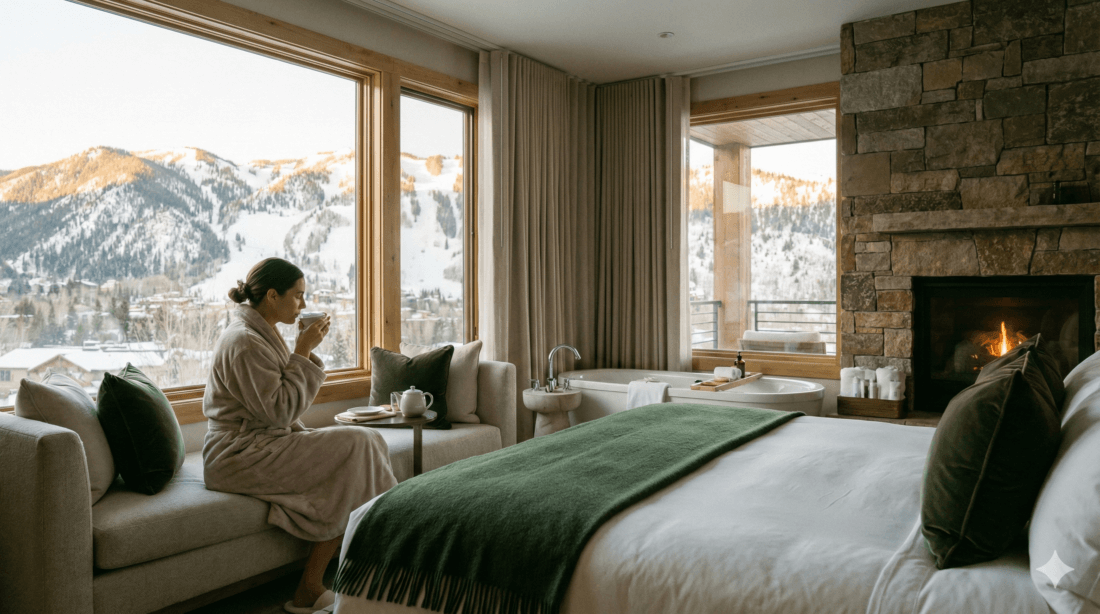
How to Prepare for Aspen Altitude Before Your Trip
Before you arrive in Aspen, altitude adjustment should be part of your travel planning. The elevation here (over 7,900 feet) can catch even seasoned travelers off guard, especially those coming from sea level. But with a few simple, research-backed strategies, you can start your trip feeling clear, rested, and ready.
Good to know: Altitude symptoms often appear within the first 24–48 hours, including headaches, poor sleep, and shortness of breath. But they can be minimized—or avoided entirely—with the right preparation.
1. Plan a Gradual Ascent If Possible
If your itinerary allows, spend a night or two at a lower elevation—like Denver (5,280 feet) or Glenwood Springs (5,761 feet)—before arriving in Aspen. This gives your body a chance to begin acclimating to thinner air.
Even one overnight stop can help reduce the risk of symptoms and make your first few days in Aspen more enjoyable【15†source】.
2. Hydrate Before You Depart
Begin hydrating two to three days before your trip. At altitude, dehydration occurs faster due to increased respiration and dry air. Aim for at least 2–3 liters of water daily leading up to your arrival.
Tip: Skip the alcohol and caffeine 24 hours before your ascent—both can increase dehydration and affect sleep quality.

3. Pre-Book Oxygen Support for Arrival
Altitude symptoms can still appear, even with preparation. To ensure you’re comfortable from the moment you arrive, consider reserving medical-grade oxygen delivery in advance.
Oxygen Now delivers directly to your hotel, vacation rental, or private home in Aspen. Most guests find that just one or two nights of sleep with oxygen helps them feel like themselves again.
“Feel like yourself again at altitude.” Oxygen Now offers discreet, physician-led oxygen support so you can focus on enjoying Aspen—not managing symptoms.
Learn more about our oxygen equipment options
4. Pack Altitude-Friendly Essentials
Bring items that support your body during altitude transition:
- Electrolyte tablets or powders
- Hydrating nasal spray
- Lip balm with SPF
- High-SPF mineral sunscreen
- Light snacks rich in complex carbs (crackers, granola)
- A reusable water bottle
These small additions can make a big difference in how you feel during the first 48 hours.
5. Take It Easy on Arrival Day
Your first day in Aspen is not the time to push limits. Plan a light agenda—a walk through town, an easy yoga class, or time by the fire—to give your body space to adapt.
Sleep is especially important your first night, as the body acclimates fastest during deep rest.

Frequently Asked Questions
How long does it take to adjust to Aspen altitude?
Most travelers start acclimating within 1–3 days. Using supplemental oxygen can accelerate this process, especially when used overnight.
Should I bring medications for altitude sickness?
Some travelers bring acetazolamide (Diamox) as a precaution. Always consult your physician first.
Can I use oxygen preventatively, even if I feel okay?
Yes. Many guests use oxygen their first night proactively to sleep better and feel more energized the next day.
Plan Ahead for Peace of Mind
A little preparation goes a long way. By staying hydrated, pacing your ascent, and booking oxygen support in advance, you can reduce the chance of altitude symptoms and focus on the beauty of your stay.
If you’re visiting Aspen, Oxygen Now delivers medical-grade oxygen directly to your door so you can enjoy your trip without interruption.
Explore oxygen rental options and book now
Call us with questions: (970) 236-6464